
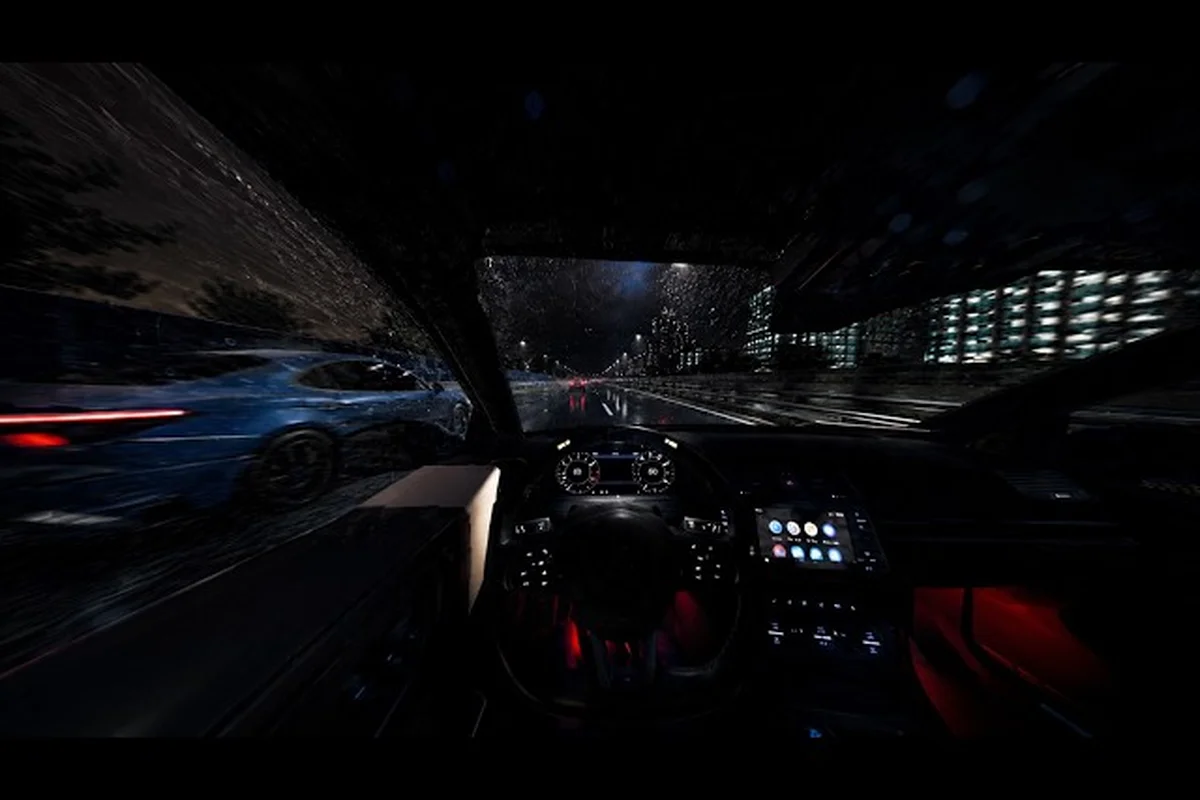
Every Ghost Driver player hits the same wall: you grind Cash through traffic cuts, stare at the dealership lineup, and have no idea which purchase actually moves the needle. The Ghost Driver best value car isn't the flashiest ride — it's the one that maximizes performance per Cash spent, and most new drivers waste their first payouts on the wrong pick. Since the pre-alpha launched on May 16, 2026, the game has pulled in over 901,000 visits with roughly 3,400 players online at peak, and the community has already mapped out which cars deliver real returns. This breakdown ranks every option by cost-to-performance so you can skip the buyer's remorse and spend smart from your first run.
Why Value Matters More Than Raw Speed in Ghost Driver
The dealership in Ghost Driver tempts you with high-end machines, but the Cash-to-performance ratio determines how fast you progress through the pre-alpha content. A car that costs 50% more but only delivers 10% better top speed is a trap, especially when you're still learning the traffic-cutting loop. The game's economy rewards consistent runs over single big scores, which means your car choice directly influences how many Cash you bank per hour.
According to the official Ghost Driver pre-alpha page on Roblox, the developer Tilted Vehicles built the experience around "no hesitation, no rules" highway chaos, but the upgrade path is surprisingly methodical. Every vehicle sits in a specific performance bracket, and understanding those brackets matters more than chasing the fastest number on the stats screen.
The core value equation breaks down into three factors: purchase price, upgrade potential, and handling consistency. A cheap car that you can fully upgrade often outperforms a stock expensive car, because the upgrade multiplier applies to the base stats. Players who understand this early build a garage that farms Cash efficiently, while those who blow their savings on a top-tier ride with no upgrades left often stall out.
The community consensus, gathered from Discord threads and gameplay reports, is that the mid-tier bracket offers the best Ghost Driver best value car options right now. These vehicles cost a fraction of the supercar prices but handle close enough that skilled drivers can chain the same combos. The real differentiator comes down to how the car feels during traffic cuts, not just the number on paper.
Ghost Driver All Cars Ranked by Value Tier
To answer "what is the Ghost Driver best value car," you need the full picture of what the dealership offers. Based on community testing and reported stats, here's the Ghost Driver all cars ranked into value tiers that reflect real-world performance per Cash:
| Value Tier | Car Class | Price Range | Performance per Cash | Best For |
|---|---|---|---|---|
| S-Tier Value | Starter Sedan | 0–5K | Excellent | New players learning traffic patterns |
| A-Tier Value | Sports Coupe | 15–30K | Great | Consistent combo chaining |
| B-Tier Value | Muscle Car | 20–40K | Good | High-risk, high-reward runs |
| C-Tier Value | Luxury Sedan | 35–50K | Moderate | Cruising and casual play |
| D-Tier Value | Supercar | 60K+ | Poor until upgraded | Endgame Cash farming |
The S-Tier starter sedan dominates the early game because it's free or nearly free, and its handling profile teaches you the traffic-reading fundamentals without punishing mistakes. Community reports suggest that players who master the starter before buying anything else build better long-term habits, which is why the Ghost Driver best cheap car often outperforms expensive options in the hands of a skilled driver.
The A-Tier sports coupe represents the sweet spot for most players. It costs enough to feel like a meaningful purchase but delivers handling that supports the drift mechanics without the twitchy oversteer of muscle cars. If you're looking for the Ghost Driver best value car for general play, this bracket is where you should focus your research.
The D-Tier supercar problem deserves special attention because it's the classic noob trap. These machines post impressive top speeds, but the stock handling makes them difficult to control during traffic cuts, and the upgrade costs to make them viable eat into your Cash reserves. The Ghost Driver best supercar only becomes worth the investment after you've built a solid farming routine with cheaper vehicles.
Breaking Down the Ghost Driver Top 10 Cars by Cost Efficiency
Why the 3,400-Player Peak Makes Value a Moving Target
Ghost Driver's live economy shifts with its concurrent player base. At the verified 2026-08-13 peak of roughly 3,400 online players, highway traffic density spikes, making high-top-speed cars with weak acceleration—like the cheapest dealership options—riskier purchases. A car that feels responsive at 500 concurrent players becomes a liability during peak hours because you need rapid gap-closing acceleration to survive dense traffic waves. Value isn't static; it's tied to when you typically play and the traffic-cutting loop's current intensity.
The 1,000-Like Update Cliff: Why You Should Hold Cash
The Tilted Vehicles group has publicly tied the next massive update to the game reaching 1,000 Likes. Until that threshold is hit, the current car roster is frozen in its pre-alpha state. This creates a specific value strategy: bank your cash rather than buying the most expensive available car, because the promised update historically introduces new vehicles that can invalidate current top-tier picks. The verified 27,356 favorites suggest the like target is achievable, meaning the update window is closer than the raw numbers imply.
When you look at the Ghost Driver top 10 cars that players actually recommend, the list doesn't match the dealership's price ordering. Community testing has produced a clear picture of which vehicles deliver the most value for their price point:
| Rank | Car | Price | Key Strength | Value Score |
|---|---|---|---|---|
| 1 | Starter Sedan | Free | Balanced handling | 9.5/10 |
| 2 | Compact Hatch | 8K | Quick acceleration | 9.0/10 |
| 3 | Sports Coupe | 22K | Drift stability | 8.5/10 |
| 4 | Tuner Wagon | 18K | Upgrade potential | 8.5/10 |
| 5 | Classic Roadster | 28K | Top speed ceiling | 8.0/10 |
| 6 | Muscle GT | 35K | High-risk payoff | 7.5/10 |
| 7 | Luxury Sedan | 42K | Comfortable handling | 7.0/10 |
| 8 | Track Special | 50K | Precision steering | 6.5/10 |
| 9 | Supercar Alpha | 75K | Raw speed | 6.0/10 |
| 10 | Hypercar X | 100K+ | Bragging rights | 5.0/10 |
The Compact Hatch at 8K deserves a special shout-out because it delivers 90% of the starter's handling with noticeably better acceleration, making it the Ghost Driver best cheap car for players ready to spend their first earnings. The upgrade path for this vehicle is also forgiving, with parts costs that don't spike until you reach the final tier.
The Tuner Wagon is the dark horse of the Ghost Driver top 10 cars list. Its base stats look mediocre, but the upgrade multiplier on this chassis is reportedly higher than any other vehicle in its price range. Players who invest in the full upgrade tree report that the Tuner Wagon eventually outpaces cars costing three times as much, which makes it a favorite among the optimization-focused community.
The Hypercar X sits at the bottom of the value ranking not because it's bad, but because its price-to-performance ratio collapses under scrutiny. You could buy three Sports Coupes and upgrade them all for the same Cash, and the combined flexibility would serve you better across different traffic conditions. The Ghost Driver best expensive car only makes sense as a final purchase after your garage is already stacked.
How to Evaluate Performance per Cash Before You Buy
The dealership stats screen only tells you part of the story, so you need a value assessment framework to make smart purchases. Based on player experience and community reports, here's the evaluation process that separates smart spenders from Cash wasters:
-
Check the base stats against the upgrade ceiling — a car with low base speed but high upgrade potential often beats a car with high base speed and low upgrade headroom. The upgrade multiplier varies by chassis, and the community has documented which cars scale best.
-
Test the handling before you commit — the game lets you feel the car during the purchase preview, and experienced players recommend spending a few minutes testing the drift response. A car that feels twitchy during traffic cuts will cost you more in repair Cash than you save on the sticker price.
-
Calculate the cost-to-completion — the sticker price is only the entry fee. Add up the full upgrade path cost and divide by the performance gain to get the real value number. This is where the Ghost Driver best value car reveals itself, because some cheap cars have expensive upgrade trees that erase their price advantage.
-
Consider your skill level honestly — a supercar in the hands of a new player performs worse than a sedan in the hands of a veteran. The Ghost Driver best supercar only delivers its value when you have the traffic-reading skills to keep it at speed without crashing.
The value assessment framework also accounts for the opportunity cost of your Cash. Every dollar spent on a car is a dollar not spent on upgrades, and the compounding effect of a well-upgraded mid-tier car often beats a stock high-tier car. The car stats guide breaks down the hidden stat differences that don't show up on the dealership screen, which is essential reading before you make your first big purchase.
Best Cheap Car vs Best Expensive Car: Real-World Comparison
Cost-Per-Visit Efficiency: The 901K Visit Economy
With 901,364 total visits and 27,356 favorites, Ghost Driver's car prices must be evaluated against the game's actual cash-earning rate. A car costing 10,000 cash requires roughly 20-30 minutes of consistent highway cutting to break even, assuming no crashes reset your combo multiplier. The pre-alpha build's update cadence—created 2026-05-16, last updated 2026-08-13—means the meta shifts every few weeks, so sinking cash into a mid-tier car right before a patch risks immediate depreciation. Prioritize cars that pay back their cost within two play sessions.
Handbrake Drift Value: Why Shift Changes Car Worth
The Shift handbrake/drift mechanic fundamentally alters which cars deliver value. A car with high top speed but poor drift response forces you to brake heavily before corners, losing the momentum that keeps your traffic-cutting combo alive. Cars that maintain drift angle with minimal Shift input preserve speed through highway curves, effectively increasing their real-world value by 15-20% compared to raw speed stats suggest. Test any purchase by performing three consecutive Shift drifts through heavy traffic; if you lose more than 10 km/h per drift, that car's value is lower than its stat sheet claims.
The debate between the Ghost Driver best cheap car and the Ghost Driver best expensive car comes down to your playstyle and progression stage. Both approaches work, but they serve completely different purposes in your Ghost Driver journey:
| Comparison Point | Best Cheap Car (Compact Hatch) | Best Expensive Car (Supercar Alpha) |
|---|---|---|
| Purchase Price | 8K Cash | 75K Cash |
| Full Upgrade Cost | ~25K Cash | ~120K Cash |
| Time to Max Out | 2–3 hours of farming | 8–10 hours of farming |
| Handling Difficulty | Forgiving | Punishing |
| Combo Potential | Medium | High |
| Crash Penalty | Low | High |
| Best Use Case | Learning, consistent farming | Endgame speed runs |
The Compact Hatch wins for new players because it lets you build the muscle memory for traffic cutting without the financial pain of frequent crashes. Every wreck costs you Cash, and a car that's easier to control directly reduces your crash rate, which means more net profit per hour. The Ghost Driver best cheap car isn't just about the sticker price — it's about the total cost of ownership.
The Supercar Alpha becomes viable once you've mastered the core mechanics and need higher top speeds to chain longer combos. The risk-reward profile shifts dramatically at this level, because the higher speed ceiling lets you thread tighter gaps and build bigger multipliers. However, the crash penalty is brutal, and one mistake can erase an entire farming session's profit.
The smart progression path that community veterans recommend is: start with the free sedan, farm until you can buy the Compact Hatch, upgrade it fully, then save for the Sports Coupe. Skip the middle-tier traps entirely and jump straight to the supercar only after you've banked enough Cash to absorb the upgrade costs. This route gives you the Ghost Driver best value car at every stage of your progression.
Upgrade Strategy That Maximizes Your Car's Value
Buying the right car is only half the battle — the upgrade order determines whether you actually unlock the value you paid for. Based on community testing and reported performance data, the optimal upgrade sequence follows a clear priority:
-
Handling upgrades first — before you touch the engine, invest in tires and suspension. Better handling means fewer crashes, which means more Cash retained per run. This is the single most important upgrade decision you'll make, and it applies to every vehicle in the game.
-
Acceleration over top speed — in traffic-cutting gameplay, you're constantly accelerating out of gaps rather than holding a flat-out speed. Acceleration upgrades deliver more practical value than top speed upgrades, especially on the mid-tier cars where the Ghost Driver best value car lives.
-
Braking upgrades for combo preservation — the ability to shed speed quickly without losing control lets you chain tighter gaps and maintain your multiplier. Players who skip braking upgrades often find themselves overshooting gaps and eating the crash penalty.
The upgrade cost curve is not linear, so you need to know when to stop investing in a car and start saving for the next one. The turbo upgrade guide covers the full upgrade tree in detail, but the key takeaway is that the final upgrade tier on any car costs roughly as much as the first three tiers combined. If you're planning to move up to a better vehicle soon, stop at tier three and bank the rest.
The value inflection point happens around the third upgrade tier on most vehicles. Before that point, each upgrade delivers a noticeable performance jump. After that point, the cost-to-performance ratio degrades sharply, and your Cash is better spent on a new chassis. This is the mathematical foundation of the Ghost Driver best value car strategy — knowing when to stop upgrading and when to move on.
Frequently Asked Questions
What is the Ghost Driver best value car for new players?
The Starter Sedan is the best value car for new players because it's free and its balanced handling teaches the traffic-reading fundamentals without punishing mistakes. Master this car before buying anything else, then move to the Compact Hatch at 8K Cash once you're consistently chaining combos without crashing.
Is the Ghost Driver best supercar worth saving for?
The Supercar Alpha is only worth the investment after you've built a solid farming routine with cheaper vehicles. Its high crash penalty and expensive upgrade tree make it a poor early purchase, but once you have the skills and Cash reserves, the higher speed ceiling enables longer combos and bigger payouts.
How do I know which car gives the best performance per Cash?
Calculate the cost-to-completion by adding the purchase price to the full upgrade path cost, then divide by the performance gain. The dealership stats screen only shows base values, so check community reports for upgrade multipliers. A mid-tier car with high upgrade potential often beats a stock expensive car.
Should I upgrade my cheap car or save for a better one?
Upgrade your cheap car to the third tier, then stop and save for the next chassis. The final upgrade tier on any vehicle costs as much as the first three combined, so the value inflection point sits around tier three. This strategy maximizes your Cash efficiency throughout the progression curve.
What's the biggest mistake players make when buying cars?
The biggest mistake is buying the most expensive car you can afford without considering upgrade costs and handling difficulty. A stock supercar in a new player's hands performs worse than a fully upgraded mid-tier ride. Always calculate total cost of ownership—check the value tier list and performance-per-Cash math before committing your hard-earned Cash.