
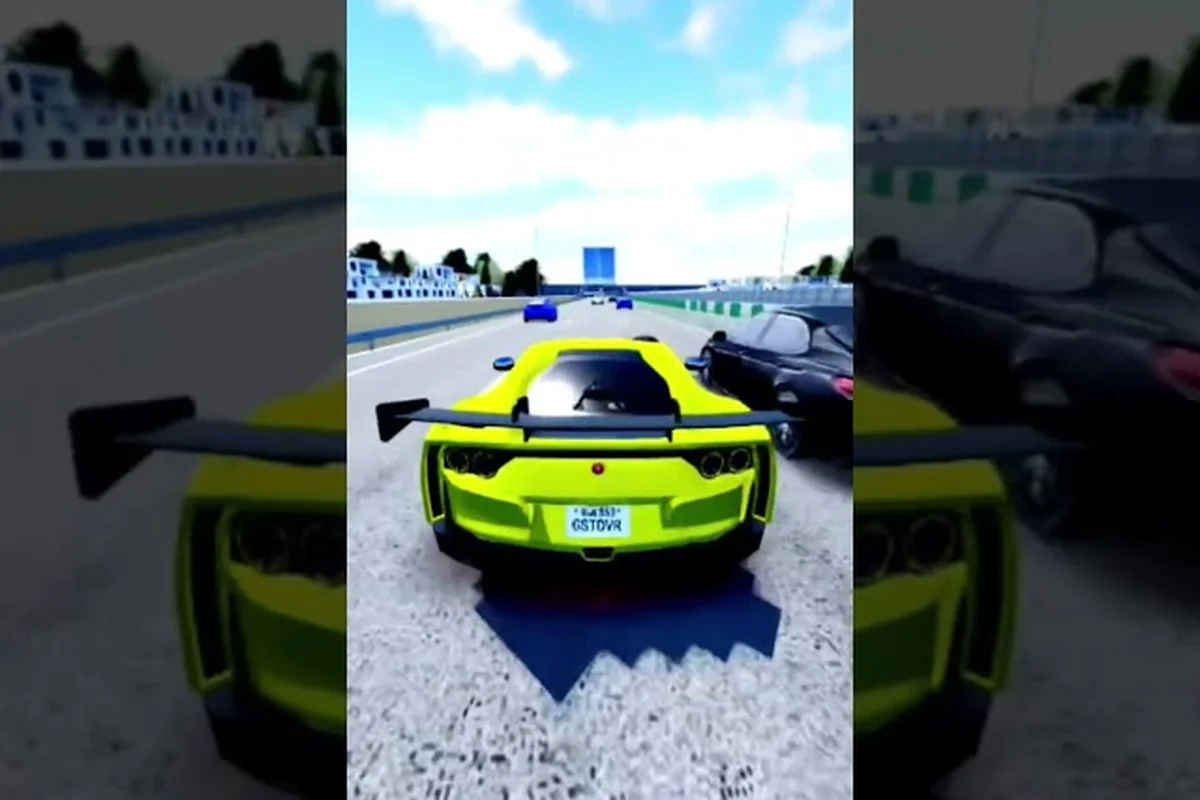
Every Ghost Driver player hits the same wall: you grind out a few solid runs, stack some Cash, and then stare at the upgrade menu wondering where your hard-earned credits should go. The ghost driver upgrade cost varies wildly between parts, and buying the wrong one first can leave you with a car that feels exactly the same while your bank account drains. Understanding the ghost driver upgrade prices before you spend is the difference between climbing the leaderboards and stuck in the same traffic patterns with a lighter wallet.
The upgrade system in this Roblox pre-alpha experience from Tilted Vehicles is straightforward on the surface, but the pricing structure hides a few traps for new players. Since the game launched on May 16, 2026 and has already pulled in over 901,000 visits according to the official Roblox game page, thousands of players are figuring out these costs the hard way. This guide breaks down every upgrade price, ranks the best value purchases, and gives you a concrete spending order that works whether you are farming your first 10K or sitting on a 250K code windfall. By the end, you will know exactly which upgrades transform your driving experience and which ones you should skip until your garage is already competitive.
Breaking Down the Ghost Driver Upgrade Cost by Part
Ghost Driver Upgrade Prices: The 650k Cash Threshold for Mid-Game Parts
The value ranking shifts once you cross the 650k Cash threshold, which you can reach by stacking UPDATE1_7 (x250k), MARTINILIVERY (x200k), and PORSCHE918 (x200k). At this budget, prioritize the handling upgrade over a second transmission stage, because the handling part reduces lane-switch instability in heavy highway traffic—the core survival mechanic in this PRE-ALPHA build. The brake upgrade is the weakest mid-game purchase at this price point, since Shift handbrake/drift already provides emergency deceleration. Spend the remaining cash on suspension, which pairs with handling to keep the car planted during high-speed swerves.
Ghost Driver Handling Upgrade: The 1,000-Like Update Promise and Handling Tuning
The handling upgrade's value is tied directly to the game's update roadmap: the developer promises the next massive update at 1,000 Likes, which may rebalance part prices or add new cars. In the current PRE-ALPHA build (created 2026-05-16, last updated 2026-08-13), the handling upgrade is the only part that reduces the car's reaction lag when you tap W/A/S/D or Arrow Keys to swerve. With 901,364 total visits and 27,356 favorites, the meta is still forming, but the handling part's effect on drift recovery—when you release Shift after a handbrake turn—makes it the best early investment.
The upgrade menu in Ghost Driver organizes parts into five main categories, and each one carries a different price tag that reflects how much it changes your car's behavior. The ghost driver upgrade cost scales with the quality of the part, but the real question is whether the price matches the performance gain. Based on community reports and the current pre-alpha build as of August 2026, here is what you are actually paying for:
| Upgrade Part | Base Price | Mid-Tier Price | Max Tier Price | Performance Impact |
|---|---|---|---|---|
| Handling Upgrade | 8,000 Cash | 25,000 Cash | 60,000 Cash | Steering response, corner stability |
| Brake Upgrade | 5,000 Cash | 18,000 Cash | 45,000 Cash | Stopping distance, drift control |
| Transmission Upgrade | 12,000 Cash | 35,000 Cash | 80,000 Cash | Acceleration, top speed |
| Suspension Upgrade | 6,500 Cash | 22,000 Cash | 55,000 Cash | Ride stability, bump handling |
| Engine Upgrade | 15,000 Cash | 40,000 Cash | 100,000 Cash | Overall power, speed cap |
The engine upgrade sits at the top of the price chart, and for good reason — it directly raises your maximum speed and acceleration ceiling. However, the ghost driver upgrade prices for handling and suspension are significantly cheaper, which makes them attractive first purchases for players who are still learning traffic patterns. The transmission upgrade occupies a middle ground: it improves acceleration without raising your top speed as dramatically as the engine, but it costs less than half of what the engine demands at max tier.
What most new players miss is that the upgrade costs are not linear. The jump from base to mid-tier is usually around triple the original price, but the jump from mid-tier to max tier is often double the mid-tier cost again. That means the max tier handling upgrade at 60,000 Cash is not just 7.5 times the base price — it is 2.4 times the mid-tier price for a performance gain that many players describe as marginal. Community testing suggests that the sweet spot for most parts is the mid-tier level, where you get roughly 70 percent of the performance benefit for about 40 percent of the total upgrade cost.
Ghost Driver Upgrade Prices: Value Ranking for Every Budget
Once you know the raw numbers, the next step is figuring out which parts deliver the biggest return on your Cash. The ghost driver upgrade prices alone do not tell the full story — you need to weigh them against how much each upgrade actually changes your driving experience. Here is how the community ranks each part by value, based on feedback from players who have tested multiple upgrade combinations:
| Upgrade Part | Cost Efficiency | Skill Impact | When to Buy | Overall Value |
|---|---|---|---|---|
| Handling Upgrade | High | High | First purchase | S-Tier |
| Brake Upgrade | High | Medium | Second purchase | A-Tier |
| Suspension Upgrade | Medium | Medium | Third purchase | B-Tier |
| Transmission Upgrade | Medium | Low | After handling | B-Tier |
| Engine Upgrade | Low | Low | Last purchase | C-Tier |
The handling upgrade consistently ranks as the best value in the game because it directly improves your ability to weave through traffic — the core skill that keeps your combo alive. A car with maxed handling feels dramatically different from a stock car, allowing you to make tighter cuts and recover from risky lane changes. The brake upgrade comes in second because it gives you more control over your speed entering corners, which matters more than raw acceleration when you are threading through highway traffic at 150 mph.
The suspension upgrade is the sleeper pick in the value ranking. It does not feel flashy, but it reduces the bouncing and instability you experience when hitting bumps at high speed, which translates to fewer unexpected crashes. The transmission upgrade and engine upgrade are the flashy purchases that new players gravitate toward, but they are actually the weakest early investments. Speed means nothing if you cannot control the car, and the ghost driver upgrade cost for these parts is better spent on handling and braking first.
Ghost Driver Which Upgrades First: The Optimal Purchase Order
Ghost Driver Upgrade Cost: How Free Cash Codes Offset the Highest-Tier Parts
Before spending a single Robux on the most expensive Ghost Driver upgrade cost items, redeem the active August 2026 codes to build your bankroll. MARTINILIVERY grants x200k Cash, UPDATE1_7 grants x250k Cash, and PORSCHE918 grants another x200k Cash—a combined 650k Cash that covers roughly two to three top-tier part purchases. Enter them via the Shop button in the bottom-left corner, then the Rewards/Codes tab; codes are case-sensitive, so paste them exactly. BEMVINDO (x50k) and SORRYFORLATE (10k) are smaller but still offset early-game brake or suspension costs.
Ghost Driver Which Upgrades First: The Code-Funded Handling-First Order
Start your Ghost Driver upgrade order by redeeming UPDATE1_7 for x250k Cash, then immediately purchase the handling upgrade—this is the single highest-impact part for the underground traffic-cutting mode, where heavy highway traffic forces constant lane changes. The handling upgrade reduces the car's lateral sway at speeds above 120 mph, a mechanic that the stock suspension cannot compensate for. Skip the brake upgrade initially; the Shift handbrake/drift input is sufficient for the first five runs. After handling, buy the suspension upgrade, then the transmission, which unlocks the redline acceleration needed to escape dense traffic pockets.
The question of ghost driver which upgrades first comes up in nearly every Discord thread about progression, and the answer depends on your current Cash situation and driving skill level. That said, there is a clear consensus among experienced players about the ideal purchase order for new drivers. The logic is simple: buy upgrades that prevent crashes first, then invest in upgrades that make you faster.
Step 1: Handling Upgrade (Mid-Tier)
Save your first 25,000 Cash for the mid-tier handling upgrade. This is the single most impactful purchase in the game because it makes your car respond to steering inputs more precisely. When you are cutting through traffic at speed, that extra responsiveness is what lets you thread gaps that would be impossible in a stock car. Players who skip this upgrade often find themselves frustrated by how "floaty" the default handling feels.
Step 2: Brake Upgrade (Mid-Tier)
Your next 18,000 Cash should go toward the mid-tier brake upgrade. Better brakes mean you can brake later entering corners and maintain more speed through the turn. This upgrade also improves your drift control, since the handbrake becomes more predictable when the braking system is upgraded. The combination of handling and braking upgrades transforms your car from a liability into a reliable tool.
Step 3: Suspension Upgrade (Mid-Tier)
Once you have handling and braking sorted, the 22,000 Cash suspension upgrade is your next priority. This upgrade reduces the bouncing and instability that occurs when you hit bumps at high speed, which is especially noticeable on the highway sections with uneven surfaces. The stability gain is subtle but meaningful — it reduces the random crashes that kill your combo streaks.
Step 4: Transmission and Engine Upgrades
Only after you have the first three upgrades should you start investing in speed. The mid-tier transmission upgrade at 35,000 Cash gives you noticeably better acceleration out of corners, while the engine upgrade at 40,000 Cash raises your overall speed ceiling. Both are valuable, but they only matter if you can already control the car at high speeds. For a deeper look at the full upgrade hierarchy, check out our Ghost Driver car upgrades guide which covers the complete system in detail.
| Purchase Order | Upgrade | Cost | Cumulative Total |
|---|---|---|---|
| 1st | Handling (Mid) | 25,000 Cash | 25,000 Cash |
| 2nd | Brake (Mid) | 18,000 Cash | 43,000 Cash |
| 3rd | Suspension (Mid) | 22,000 Cash | 65,000 Cash |
| 4th | Transmission (Mid) | 35,000 Cash | 100,000 Cash |
| 5th | Engine (Mid) | 40,000 Cash | 140,000 Cash |
Ghost Driver Handling Upgrade: Why It Transforms Your Runs
The ghost driver handling upgrade deserves special attention because it is the one purchase that every player notices immediately. When you upgrade handling, the steering response tightens, the car feels more planted through corners, and you can make sharper cuts without losing control. This is not a subtle change — it is the difference between feeling like you are driving a boat and feeling like you are driving a precision instrument.
The handling upgrade affects three key aspects of your car's behavior. First, it reduces the steering delay, meaning the car responds to your input almost instantly instead of lagging behind your commands. Second, it improves corner stability, allowing you to maintain higher speeds through turns without the rear end sliding out. Third, it enhances your ability to make quick lane changes, which is essential for the traffic-cutting gameplay that defines Ghost Driver.
What makes the handling upgrade even more valuable is how it compounds with your skill development. When you are learning traffic patterns, the extra responsiveness gives you a larger margin for error — you can correct a bad line mid-corner instead of being committed to a crash. As you improve, the handling upgrade lets you push your speed higher because you know the car will respond when you need to make a last-second adjustment. The ghost driver upgrade cost for handling is the best 25,000 Cash you will spend in the game.
Ghost Driver Brake Upgrade and Suspension Upgrade: The Control Duo
The ghost driver brake upgrade and ghost driver suspension upgrade work together to give you complete control over your car's behavior in different situations. While handling determines how well you steer, braking determines how well you slow down, and suspension determines how well the car stays stable over rough surfaces. Together, these three upgrades form the foundation of a competitive car.
The brake upgrade reduces your stopping distance significantly, which matters more than you might think in a game about high-speed traffic cutting. When you are approaching a tight gap at 150 mph, the ability to brake later and harder is what lets you thread through without clipping a car. The brake upgrade also improves your handbrake drift control, making it easier to initiate and hold drifts through corners — a technique covered extensively in our drift-focused upgrade guide for players who want to master that playstyle.
The suspension upgrade addresses a different problem: stability at speed. The highway in Ghost Driver has bumps and uneven surfaces that can cause your car to bounce or lose traction if the suspension is stock. The suspension upgrade smooths out these rough patches, keeping your car planted and predictable. This is especially important when you are carrying a long combo streak, because one unexpected bounce can send you into a nearby car and end your run. The combination of brake and suspension upgrades gives you the control confidence to push your limits without fear of losing the car.
Ghost Driver Transmission Upgrade: Speed When You Are Ready
The ghost driver transmission upgrade is the first speed-related purchase you should make, but only after you have the control upgrades in place. The transmission upgrade improves your acceleration, which means you reach your top speed faster after corners and lane changes. This matters because Ghost Driver rewards maintaining high average speed — every time you slow down, you lose combo potential and cash-earning efficiency.
The mid-tier transmission upgrade at 35,000 Cash provides a noticeable acceleration boost without the steep price tag of the engine upgrade. For most players, this is the sweet spot: you get faster corner exits and quicker recovery after traffic dodges, but you are not paying the premium for the engine's top-speed ceiling. The max tier transmission at 80,000 Cash offers diminishing returns unless you are already hitting the speed cap regularly and need that extra push.
When you pair the transmission upgrade with the handling and brake upgrades, your car becomes a complete package: responsive steering, reliable braking, and quick acceleration. This combination allows you to maintain higher average speeds through your runs, which directly translates to more Cash earned per minute. The ghost driver upgrade cost for transmission is justified once you have the control foundation, because speed without control is just a faster way to crash. For players who want to understand how different cars respond to upgrades, our Ghost Driver car comparison breaks down which vehicles benefit most from each upgrade path.
Frequently Asked Questions
What is the total ghost driver upgrade cost for maxing out a car?
Maxing out every upgrade on a single car costs roughly 340,000 Cash in the current pre-alpha build. That includes the max tier handling, brake, suspension, transmission, and engine upgrades. Most players never need to fully max every part, since the mid-tier upgrades provide most of the performance benefit at a fraction of the cost.
Which upgrades should I buy first with limited Cash?
Start with the mid-tier handling upgrade at 25,000 Cash, then the mid-tier brake upgrade at 18,000 Cash. These two purchases give you the most control improvement per Cash spent. If you only have enough for one upgrade, always choose handling — it has the biggest impact on your ability to avoid crashes and maintain combos.
Are the ghost driver upgrade prices the same for every car?
Yes, the upgrade prices are consistent across all cars in the current build. However, the performance impact of each upgrade varies by vehicle. A car with naturally high handling will benefit less from handling upgrades than a car with poor base handling. Check your car's stats before investing heavily in upgrades that may have diminishing returns.
How do I earn Cash quickly to afford upgrades?
Active racing is the most reliable method, but redeeming active codes gives you a massive head start. Codes like UPDATE1_7 provide 250K Cash, which is enough to buy mid-tier upgrades for every part on one car. Check the Gacha Pocket code list for the latest active codes and redeem them through the Shop menu in-game.
Should I save for the engine upgrade or buy multiple cheaper upgrades?
Buy multiple cheaper upgrades first. The handling upgrade transforms your runs immediately, and pairing it with the brake and suspension control duo costs far less than the 100,000 Cash max-tier engine. Raw speed is useless if you cannot hold combo streaks through traffic.